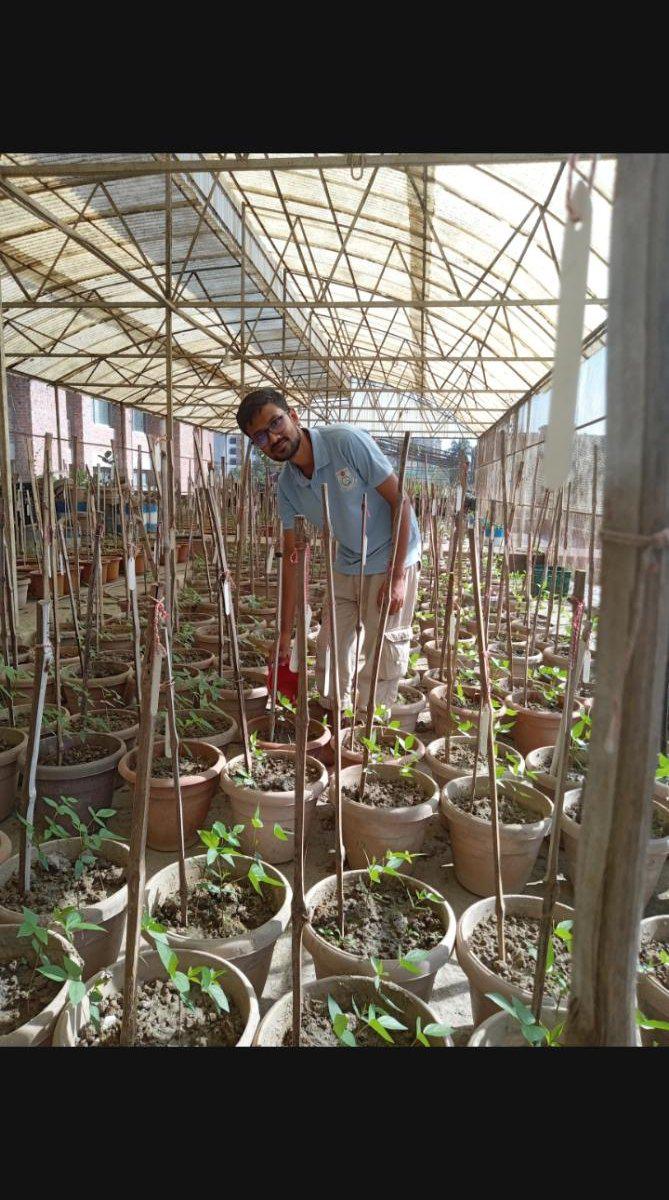
Rooftop gardens can supply herbs, greens, and a little fruit — and they cool the slab slightly — but only if the structure, waterproofing, and water are handled first. This note is a starter checklist, not a full structural design.
1. Safety before soil
- Confirm load capacity with someone who knows the building (engineer or experienced builder). Wet soil is heavy.
- Protect the roof membrane: use raised beds or pots on stands, not soil piled directly on the waterproof layer.
- Plan drainage so water does not pond against walls or the parapet.
2. Containers and mix
- Prefer pots with drainage holes and a tray or channel that leads water away safely.
- Use a light mix: garden soil + compost + cocopeat or similar, not pure clay from the yard.
- Start small — a few herbs and leafy greens — before large fruit trees in tubs.
3. What grows well in pots
Good first crops in heat and monsoon climates:
- Leafy greens — red amaranth, spinach-type greens, lettuce in cooler months
- Herbs — mint, basil, coriander (short cycles)
- Chilli, tomato, brinjal — in larger pots with support
- Climbing beans — if you have a rail or trellis
Avoid very deep-rooted trees unless the container and load are designed for them.
4. Water and monsoon
- Water in the cool part of the day; pots dry faster than ground beds.
- In heavy rain, ensure overflow paths; empty saucers so roots do not sit in stagnant water.
- Mulch the surface to cut evaporation and heat stress.
5. Sun, wind, and neighbours
- Most food crops want 4–6 hours of direct sun; map shade from water tanks and next-door walls.
- Wind on roofs is stronger — stake tall plants and use heavier pots for top-heavy crops.
- Keep sprays minimal; anything you apply can drift to drying clothes or other roofs.
Quick start sequence
- Check load and waterproofing.
- Place a few drained pots on stands.
- Fill with light mix + compost.
- Plant one herb and one leafy green.
- Water, observe for a week, then expand.
Rooftop growing works best as a steady habit, not a one-weekend project. Start light, protect the building, and let success with simple crops justify the next bag of soil.
Educational note — building rules and structural limits for your roof always come first.