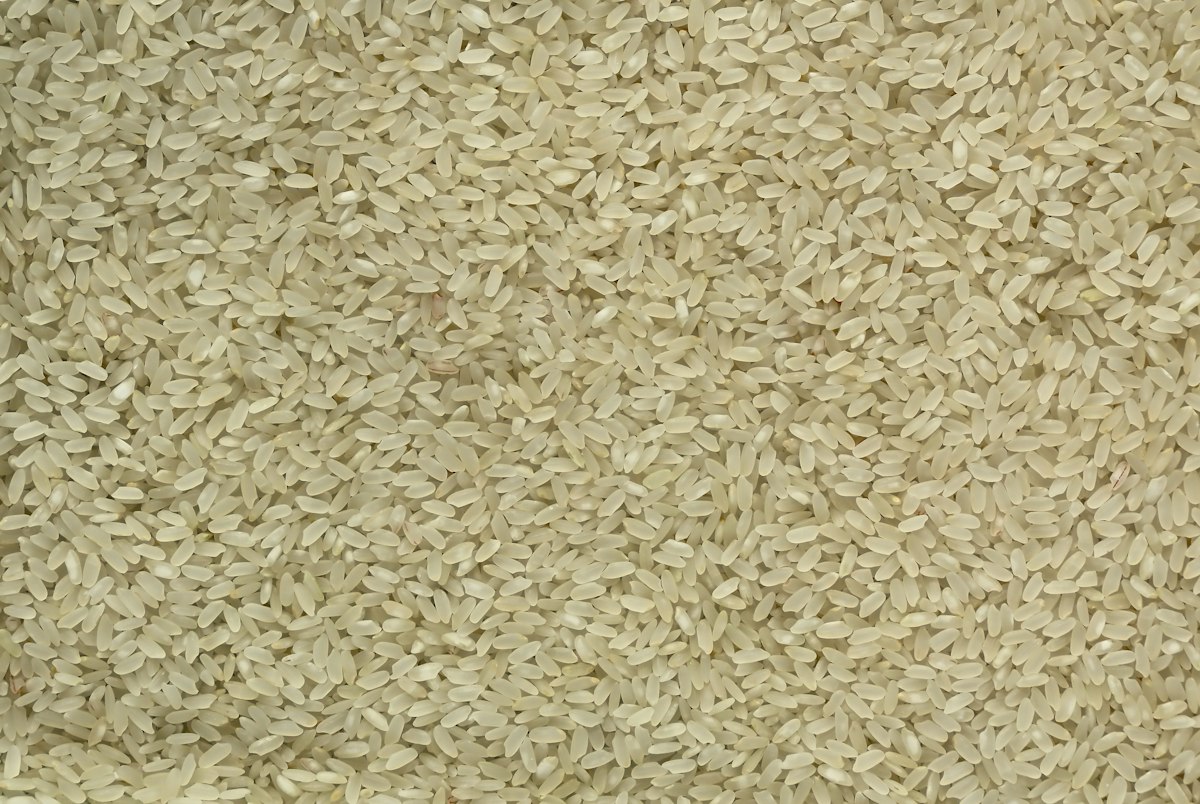
In many markets in Bangladesh and neighbouring countries, Miniket is sold as if it were a named rice variety. It is not. “Miniket” usually describes how the grain was milled and polished — long, slender, highly polished white rice — not a single cultivar from a breeding programme.
Whole grain (brown) rice keeps the bran and germ. Polishing strips those layers to make the grain look bright and cook soft. With them go:
What remains is mostly starch. That is why highly polished white rice is easy to eat and store, but less nutrient-dense than brown or lightly milled rice of the same original grain.
Traders use “Miniket” as a market grade: appearance, length, and polish level that buyers recognise. Different lots may come from different varieties or mixtures. So comparing “Miniket” to “BRRI dhan49” or another released variety is mixing a product style with a genetic identity.
Buy rice for what it is (variety or landrace when labelled, milling level, freshness), not for a marketing name. Miniket-style polish is a process, not a variety — and heavy polish trades nutrition for appearance and soft texture.
Educational note only — local labels and public nutrition guidance still apply.