Blackgram performance rarely stays stable across locations and seasons. Genotype × environment interaction (G×E) can change which lines look “best,” so selecting from a single site is risky for farmers who face drought, excess rain, or late sowing.
A line that tops the trial at a well-managed university farm may drop in rank under terminal drought or high pest pressure. Without multi-environment data, the breeding program may advance genotypes that only shine under ideal conditions — and fail on farm.
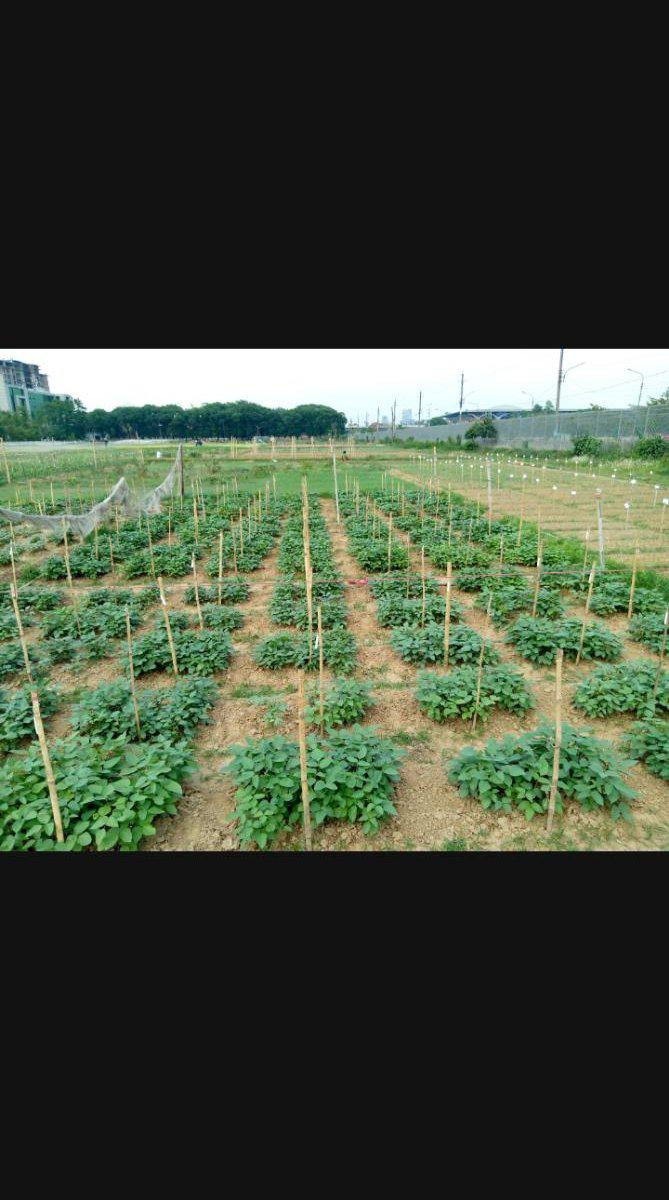
We evaluate promising lines across at least two locations and two seasons when resources allow. Typical layout choices:
Core traits include days to flowering, plant height, pods per plant, seeds per pod, 100-seed weight, and visual scores for disease and insect damage. Yield is recorded at plot level and cleaned before any ranking.
Instead of ranking by yield alone, we combine yield with stability and stress tolerance. Simple weighted indices keep decisions transparent for students and collaborators. Example weights might emphasise:
Lines that hold rank across environments move forward for further testing or crossing.
Multi-environment data costs more time in the field, but it saves years of promoting genotypes that only shine under ideal conditions. For Bangladesh’s variable climate, stability is part of the breeding target — not an optional extra after yield.
Related preprint: genetic diversity and selection indices in blackgram across multi-environment trials (Research Square).